
Astigmatism can make everyday vision appear blurred or distorted, affecting activities such as reading, working on a computer, and driving. The right corrective lenses can help focus light more accurately and improve visual clarity based on your prescription. Understanding astigmatism lenses can help you make informed decisions about your eyewear, lens options, and everyday comfort. Eye’ll Be There supports customers in Virginia, Maryland, and Washington, D.C., by bringing selected eyewear frames and personalized guidance directly to their homes.
What Is Astigmatism?
Astigmatism is a common refractive error that occurs when the cornea or the eye’s internal lens has an irregular curvature. This irregular shape affects how light focuses on the retina, which can result in blurred or distorted vision at different distances. The condition may occur alongside nearsightedness or farsightedness, making an accurate prescription important for comfortable vision.
Common Symptoms of Astigmatism
People with astigmatism may experience blurred vision, eyestrain, headaches, squinting, or difficulty seeing fine details clearly. Some individuals notice symptoms while reading, using digital screens, or driving at night, while others experience only mild changes in vision. The severity of symptoms varies from person to person, so a comprehensive eye examination is the best way to determine whether astigmatism is affecting your eyesight.
How Astigmatism Affects Everyday Vision
Astigmatism can make routine visual tasks less comfortable when objects appear unclear or slightly distorted. Reading small text, switching between a computer screen and printed material, or recognizing distant signs may become more difficult without appropriate correction. Prescription eyewear can help address these focusing issues, allowing people to manage their daily activities with greater visual comfort.
What Are Astigmatism Lenses?
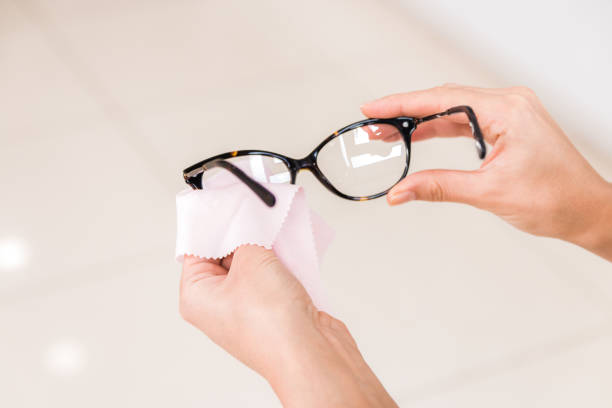
Astigmatism lenses are prescription lenses designed to correct the uneven focusing associated with astigmatism. They use specific lens powers to compensate for differences in the eye’s curvature and help light focus more accurately on the retina. These lenses can be incorporated into different types of eyeglasses, depending on whether a person needs correction for one viewing distance or several distances.
How Corrective Lenses Help With Astigmatism
Corrective lenses help compensate for refractive errors by adjusting the way light enters the eye. For astigmatism, the prescription commonly includes a cylinder power and an axis measurement that determine the amount and orientation of the required correction. An eye-care professional uses examination results to prescribe suitable lenses, helping address blurred vision and supporting clearer sight during everyday activities.
What Do Cylinder and Axis Mean on an Eyeglass Prescription?
The cylinder, often written as CYL, indicates the amount of astigmatism correction required in a prescription. The axis is a number between 1 and 180 degrees that specifies the orientation of that correction. These measurements work together to guide lens manufacturing, so accurate prescription details and proper fitting are important when ordering glasses for astigmatism.
What Types of Lenses Are Used for Astigmatism?
The appropriate lens type depends on your complete prescription, visual needs, and daily routine. Astigmatism correction can be included in single vision, bifocal, and progressive eyeglasses, provided the selected lens design suits the prescription. Understanding the differences between these options can help you discuss suitable choices with your eye-care professional.
Single Vision Lenses for Astigmatism
Single vision lenses have one main prescription power across the lens and can include the correction needed for astigmatism. They may be suitable for people who need distance or near-vision correction without separate prescription zones. The correct lens power depends on an individual’s examination results and intended use, rather than astigmatism alone.
Bifocal Lenses for Astigmatism
Bifocal lenses combine two prescription zones, commonly providing distance correction in the upper portion and near-vision correction in the lower segment. They can incorporate astigmatism correction when appropriate for the wearer’s prescription. For people who need help seeing at more than one distance, bifocals may be an option to discuss with an eye-care professional.
Progressive Lenses for Astigmatism
Progressive lenses provide a gradual transition between distance, intermediate, and near-vision correction without a visible dividing line. Astigmatism correction can be included when the prescription and lens design allow it. These lenses may suit people who need multifocal correction and prefer a seamless appearance, although proper measurements and frame fitting are especially important.
Toric Contact Lenses vs. Astigmatism Glasses
Toric contact lenses are specially designed to correct astigmatism and maintain the appropriate orientation on the eye. Prescription eyeglasses offer another option, with lenses manufactured according to the wearer’s prescription and fitted into suitable frames. The choice depends on individual vision needs, comfort, eye health, and professional advice.
How Do You Know If You Need Glasses for Astigmatism?
An eye examination is the most reliable way to determine whether you have astigmatism and whether corrective lenses are appropriate. Your eye-care professional can assess your vision, measure refractive errors, and prescribe the correction suited to your needs. If you notice persistent blurred vision, headaches, or difficulty focusing, arranging an examination can help identify the cause.
Understanding Your Astigmatism Prescription
An eyeglass prescription may include SPH for spherical correction, CYL for astigmatism correction, and AXIS for its orientation. Some prescriptions include all three measurements, while others may not require every value. Your eye-care professional can clarify what the numbers mean and help ensure that your glasses are made according to your current prescription.
Can You Have Astigmatism Without Knowing It?
Yes, some people have mild astigmatism without noticing significant symptoms. Others may experience visual discomfort that they initially attribute to tiredness, prolonged screen use, or poor lighting. Regular eye examinations can identify refractive errors and help determine whether prescription glasses or another form of correction would be beneficial.
How to Choose the Right Glasses for Astigmatism
Choosing glasses involves more than selecting a frame that looks attractive. Your prescription, intended activities, lens design, frame measurements, and comfort all contribute to a suitable pair of eyeglasses. Working with an eye-care professional for prescription guidance and receiving appropriate frame-fitting support can help you make a more informed choice.
Choose Lenses Based on Your Daily Activities
Your daily routine can influence which lens design is most practical. Someone who mainly needs distance correction may have different requirements from someone who frequently reads, works at a computer, or needs multiple viewing distances. Discussing these activities with your eye-care professional can help match the lens design to your prescription and visual demands.
Why Frame Fit Matters for Astigmatism Lenses
A well-fitting frame helps keep prescription lenses correctly positioned in front of your eyes. Frame size, bridge fit, and how the glasses sit on your face can affect comfort and the positioning of the lenses. Since some prescriptions require precise measurements, professional fitting is important, particularly when choosing progressive lenses or frames with specific design requirements.
Adjusting to New Astigmatism Glasses
Some people need time to adjust to new prescription glasses, especially when their prescription or lens design has changed. Follow your eye-care professional’s instructions and contact them if blurred vision, dizziness, or discomfort persists. Ongoing symptoms should not automatically be treated as a normal adjustment period, because the prescription, lens measurements, or fit may need to be checked.
Try Prescription Glasses at Home With Eye’ll Be There
Choosing eyewear can feel easier when you can compare frames in a familiar environment instead of making a rushed decision in a store. Eye’ll Be There brings selected eyewear frames and personalized guidance to customers in Virginia, Maryland, and Washington, D.C. The service allows you to consider frame appearance and comfort at home while keeping your prescription requirements in mind.

Compare Eyeglass Frames in Your Own Environment
Trying frames at home lets you see how different styles look with your everyday clothing and in familiar lighting. You can take your time comparing frame shapes, sizes, and overall comfort without the pressure of a quick in-store decision. This can make the frame-selection process more convenient, although lens suitability and prescription accuracy still require appropriate professional guidance.
Get Help Choosing Frames for Your Prescription
Eye’ll Be There helps customers consider eyewear styles and frame fit through personalized at-home guidance. If you need corrective lenses for astigmatism, your current prescription should guide the lens selection and manufacturing process. To discuss the at-home eyewear service and available options, contact Eye’ll Be There and ask about service availability in your area.
Frequently Asked Questions About Astigmatism Lenses
Astigmatism lenses can be available in different prescription designs, so the right option depends on your vision and eye-care professional’s recommendations. The answers below address common questions about glasses, prescriptions, and lens choices for astigmatism.
What Are the Best Lenses for Astigmatism?
The best lenses depend on your prescription, visual needs, and daily activities. Single vision, bifocal, or progressive lenses may include astigmatism correction when suitable. An eye-care professional can recommend the appropriate design after examining your eyes.
Can Regular Glasses Correct Astigmatism?
Yes, regular prescription eyeglasses can correct astigmatism when their lenses are made with the required prescription. The frame style can vary, but the lenses must provide the appropriate correction and fit properly.
Are Astigmatism Lenses Different From Regular Lenses?
Astigmatism lenses include a specific correction for the uneven focusing associated with the condition. They may look similar to other prescription lenses, but their optical power and orientation are determined by the prescription.
Can Astigmatism Get Worse Over Time?
Astigmatism can change over time, although the amount and rate of change vary between individuals. Regular eye examinations help monitor changes and determine whether your prescription needs updating.
Do Astigmatism Glasses Take Time to Adjust To?
Some people need a short adjustment period when wearing new glasses, particularly after a prescription change. If vision remains distorted or discomfort continues, contact your eye-care professional for an assessment.
Can Progressive Lenses Correct Astigmatism?
Progressive lenses can include astigmatism correction when appropriate for the prescription. Accurate measurements, suitable frame selection, and correct fitting help support comfortable use.
Choose Eyewear That Fits Your Vision Needs
Understanding astigmatism lenses can help you approach prescription eyewear with greater confidence. The right corrective lenses should reflect your current prescription, daily activities, and comfort requirements, with professional guidance supporting the final choice. Eye’ll Be There makes frame selection more convenient by bringing personalized at-home eyewear assistance to customers across Virginia, Maryland, and Washington, D.C. Contact Eye’ll Be There to discuss your eyewear needs and ask about arranging an at-home appointment.