
Choosing the right corrective lenses can make everyday activities such as reading, working on a computer, driving, and enjoying time outdoors more comfortable. However, not every prescription lens is designed for the same vision needs. Single vision, bifocal, and progressive lenses each serve a different purpose, so understanding their differences can help you make a more informed eyewear decision. Eye’ll Be There helps customers in Virginia, Maryland, and Washington, D.C., compare eyeglass frames through a personalized at-home experience, making it easier to select frames that suit their style and daily routine.
What Are the Different Types of Corrective Lenses?
Corrective lenses are designed to improve vision by addressing specific focusing needs. The right lens type depends on your prescription, the distances at which you need clear vision, and the activities you perform throughout the day. Understanding the main types of prescription lenses is a useful starting point before choosing your next pair of glasses.
What Are Single Vision Lenses?
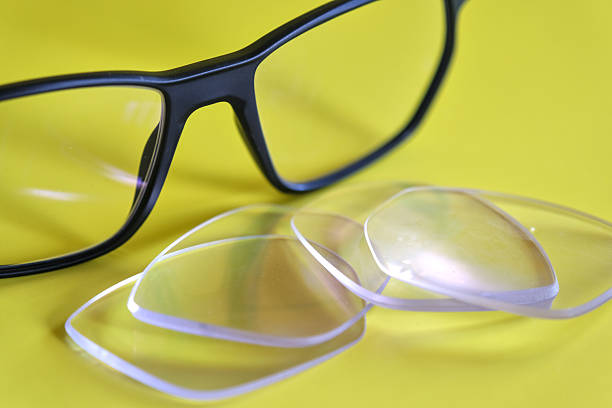
Single vision lenses contain one prescription power across the lens, making them suitable for correcting a particular vision need. They are commonly prescribed for nearsightedness, farsightedness, and certain other focusing problems. Some people use single vision glasses for distance activities, while others need them primarily for reading or close-up work. Because these lenses have one main correction, they can be a practical choice when a single viewing distance is the primary concern.
What Are Bifocal Lenses?
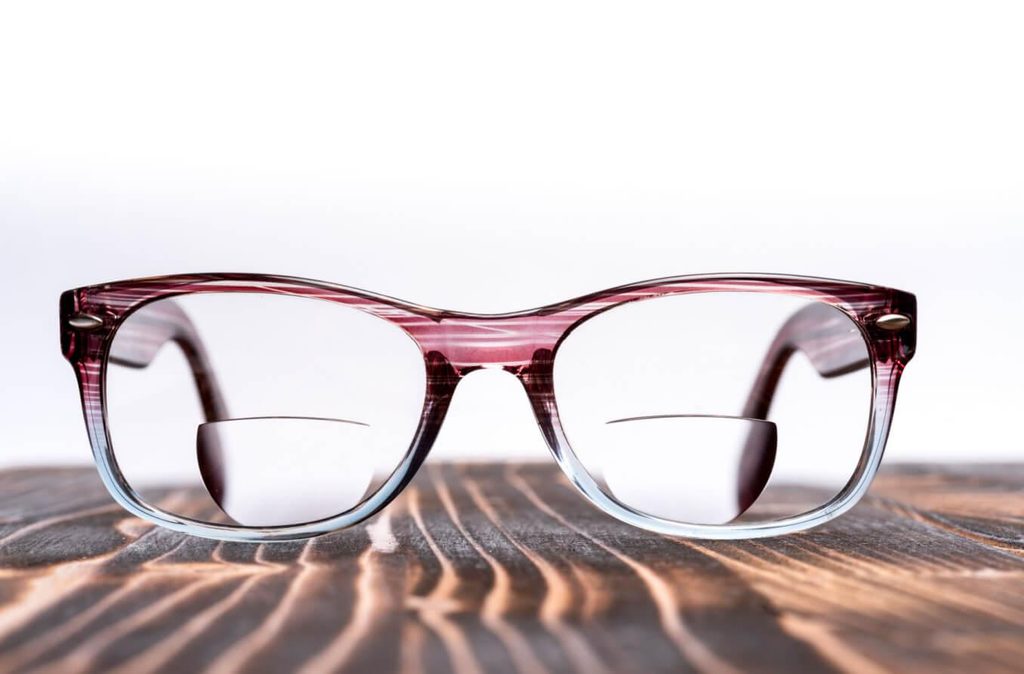
Bifocal lenses contain two distinct prescription powers in one lens, usually with one section for distance vision and another for near vision. The lower segment commonly supports reading and other close-up activities, while the upper portion is used for distance viewing. A visible line typically separates the two sections, making the change in prescription noticeable. Bifocals can be helpful for people who need both near and distance correction, although switching between viewing areas may take some adjustment.
What Are Progressive Lenses?
Progressive lenses provide multiple prescription powers that transition gradually from the upper part of the lens to the lower part. This design supports distance, intermediate, and near vision without the visible dividing line found in traditional bifocals. The gradual transition can be useful for people who move between activities such as driving, computer work, and reading. However, progressive lenses require an appropriate prescription, accurate fitting, and an adjustment period for some wearers.
Single Vision vs. Bifocal vs. Progressive Lenses: Key Differences
The main difference between single vision, bifocal, and progressive lenses is how each design supports different viewing distances. Single vision lenses provide one prescription power, bifocals offer two distinct prescription zones, and progressive lenses gradually transition between multiple powers. Comparing these designs can help you understand which option may suit your everyday vision needs before discussing your choice with an eye care professional.
Difference in Lens Design
Single vision lenses have a consistent prescription power across the lens, creating a straightforward design for one primary vision need. Bifocals feature two separate viewing areas, usually divided by a visible line, while progressive lenses blend different prescription powers into a gradual transition. These design differences can affect how you look through your glasses and move your gaze between objects at different distances. Your prescription and comfort should guide the final choice rather than appearance alone.
Difference in Vision Correction
Each lens type supports different vision requirements. Single vision lenses may correct distance or near vision, depending on the prescribed power, while bifocals generally address near and distance vision in one pair of glasses. Progressive lenses can also support intermediate vision, which may be useful for computer work and other everyday tasks. An eye care professional can determine the appropriate prescription based on your vision assessment and explain which lens design best addresses your needs.
Difference in Appearance and Everyday Use
The visible line in bifocal lenses distinguishes the near-vision segment from the distance area, while progressive lenses provide a line-free appearance. Single vision lenses have a simple design that may suit people who need one main prescription power. Your daily routine, personal preferences, and prescription requirements all matter when selecting eyewear. Choosing suitable frames alongside the correct lenses can also contribute to a comfortable fit and a look that feels natural for everyday use.
Progressive vs. Bifocal Glasses: Which Is Better?
Choosing between progressive and bifocal glasses depends on your prescription, daily activities, and preference for how different viewing areas are arranged. Both options can help people who need more than one prescription power, but they work differently. Understanding their advantages and potential challenges can help you have a more productive conversation with your eye care professional.
Benefits of Bifocal Glasses
Bifocal glasses provide two clearly defined prescription areas in one lens, which can be convenient for people who need both near and distance correction. Their visible segment makes the transition between the two areas easy to identify, although switching your gaze may take practice. Bifocals may suit people whose vision requirements match these two zones and who are comfortable with the traditional lens design. The best choice depends on your prescription and how you use your glasses throughout the day.
Benefits of Progressive Glasses
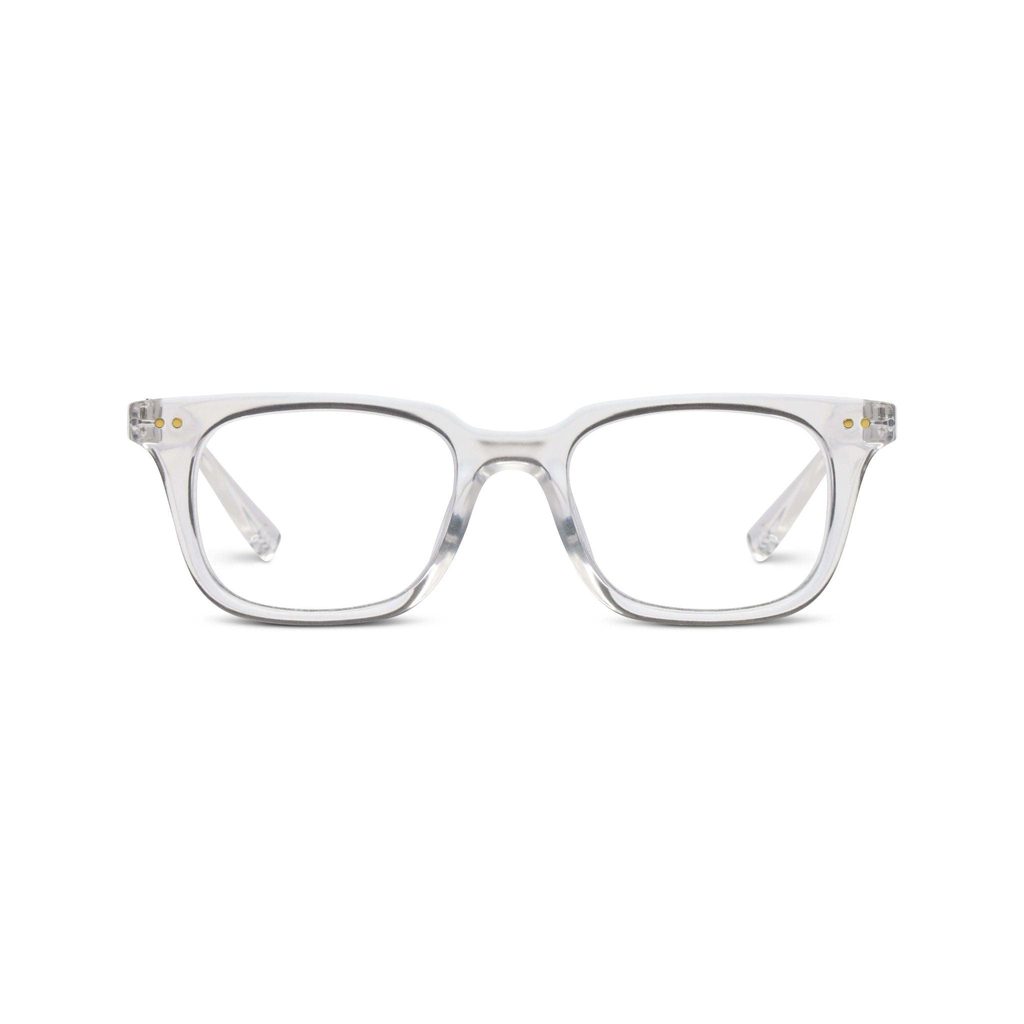
Progressive glasses offer a gradual transition between distance, intermediate, and near prescription powers. This design can be useful when you regularly switch between activities such as looking across a room, viewing a computer screen, and reading a book. Since there is no visible dividing line, progressive lenses also provide a continuous appearance across the lens. Some wearers need time to adjust to the different viewing zones, so accurate measurements, proper fitting, and professional guidance are important.
Possible Challenges With Each Lens Type
Bifocal lenses may require you to adjust your gaze when switching between distance and near tasks, and the visible segment line may not suit everyone’s preferences. Progressive lenses can take longer to get used to because their prescription powers change gradually across the lens, and some people initially notice limited clear-viewing areas toward the sides. Single vision lenses may not cover every viewing distance when multiple corrections are needed. Discussing these considerations with an eye care professional can help you choose a suitable option.
Single Vision Glasses vs. Multifocal Lenses
Single vision glasses differ from multifocal lenses because they use one prescription power rather than combining different powers for several viewing distances. For many people, this makes them a straightforward solution for a specific visual task. Multifocal lenses, including bifocals and progressives, may be more appropriate when one prescription power does not meet all everyday vision requirements. The right option depends on your prescription and the way you use your glasses.
When Are Single Vision Glasses a Suitable Choice?
Single vision glasses can be suitable when you need correction for one primary viewing distance, such as seeing distant objects clearly or reading comfortably at close range. They are commonly used for activities such as driving, reading, or working, depending on the prescribed correction. Some people may need separate pairs for different tasks, while others can use one pair for their main visual needs. An eye care professional can help determine whether single vision lenses are appropriate for your prescription.
Can You Need Single Vision Glasses for Different Activities?
Yes, some people use different single vision glasses for separate activities because each pair can be prescribed for a particular distance or task. For example, one pair may support distance vision while another is intended for reading or close-up work. This approach may be suitable for people who prefer dedicated glasses for specific activities, although it can mean switching pairs throughout the day. Your eye care professional can advise whether separate single vision glasses or multifocal lenses better match your needs.
How to Choose the Right Corrective Lenses for Your Lifestyle
Selecting corrective lenses involves more than comparing lens designs. You should consider your prescription, the activities you perform most often, and the viewing distances that matter in your daily routine. Comfort, frame fit, and your ability to adjust to a particular lens design can also influence your experience. A professional prescription and fitting assessment can help you make a decision that supports your vision needs.
Consider Your Near, Intermediate, and Distance Vision Needs
Think about the activities you do regularly, including reading, using a computer, driving, and interacting with people across a room. If you primarily need correction for one distance, single vision lenses may be appropriate, while bifocals or progressives may suit people who require multiple prescription powers. Computer use can involve an intermediate viewing distance that deserves particular consideration. Sharing your daily habits with an eye care professional can help them recommend a lens design suited to your routine.
Think About Comfort and Adaptation
Comfort depends on several factors, including the accuracy of your prescription, how well your frames fit, and how the lenses are positioned in front of your eyes. Some people adjust quickly to new glasses, while others need time to become comfortable with bifocal or progressive lens designs. If your glasses cause persistent discomfort, blurred vision, or headaches, contact your eye care professional for advice rather than assuming you simply need more time. Proper measurements and fitting are important parts of the eyewear selection process.
Match Your Lenses With Suitable Eyeglass Frames
Your frames should complement your prescription, fit securely, and feel comfortable during regular use. Frame size and shape can influence how lenses are positioned, which is particularly important for progressive lenses that rely on accurate fitting measurements. Style also matters because your glasses are part of your everyday appearance. Eye’ll Be There offers personalized at-home frame selection, helping customers compare eyewear styles in a familiar setting before making a decision about their new glasses.
Can You Try Different Eyeglass Frames Before Choosing Your Lenses?
Choosing frames is an important part of getting prescription eyewear that feels comfortable and suits your personal style. While trying frames does not replace a prescription assessment or determine which lens type is medically appropriate, it can help you compare fit, appearance, and everyday comfort. Eye’ll Be There makes this process more convenient by bringing selected eyewear options directly to customers in Virginia, Maryland, and Washington, D.C.
Compare Frames in Your Own Environment
Trying eyeglass frames at home lets you see how different styles look in your own mirror and familiar lighting. You can compare frame shapes, colors, and sizes without needing to visit a traditional eyewear store. This can be especially helpful when you want to consider how your glasses look during your normal routine. Eye’ll Be There provides an at-home eyewear experience that makes frame selection more personal and convenient while you work with your eye care professional on your prescription and lens requirements.
Get Personalized Help Choosing Eyewear
Selecting glasses can feel easier when you have guidance while comparing different frame options. Eye’ll Be There brings a curated selection of eyewear to your home and offers personalized assistance with style and fit. Customers across Virginia, Maryland, and Washington, D.C., can compare frames in a comfortable setting rather than making a separate store visit. Once you know which corrective lenses suit your prescription, choosing frames that complement your needs can help complete your eyewear selection.
Frequently Asked Questions About Corrective Lenses
Understanding common questions about corrective lenses can make it easier to compare your options. The answers below cover the differences between single vision, bifocal, and progressive lenses, along with factors to consider when selecting prescription glasses.
What Is the Main Difference Between Single Vision, Bifocal, and Progressive Lenses?
Single vision lenses have one prescription power, bifocals contain two distinct prescription areas, and progressive lenses gradually transition between multiple powers. The most suitable option depends on your prescription and whether you need correction for one or several viewing distances.
Are Progressive Lenses Better Than Bifocals?
Progressive lenses are not automatically better for everyone. They provide distance, intermediate, and near vision through a gradual transition, while bifocals have two distinct prescription areas. Your prescription, visual habits, comfort, and personal preferences help determine which option is appropriate.
Are Single Vision Glasses Only for Distance Vision?
No. Single vision glasses can be prescribed for distance vision or near vision, depending on the person’s needs. They use one prescription power across the lens, so the intended use depends on the prescription provided by an eye care professional.
Do Progressive Lenses Have Visible Lines?
Traditional progressive lenses do not have the visible dividing line associated with bifocal lenses. Instead, their prescription powers change gradually across the lens to support different viewing distances.
How Do I Know Which Type of Corrective Lenses I Need?
An eye care professional can assess your vision and recommend an appropriate prescription and lens design. Discuss your daily activities, reading habits, computer use, and other visual needs so the recommendation reflects how you use your glasses.
Choose the Right Corrective Lenses With Confidence
Single vision, bifocal, and progressive lenses serve different purposes, and the right choice depends on your prescription and daily visual needs. Understanding the differences can help you prepare for a more informed conversation with your eye care professional. Once your lens requirements are established, selecting frames that suit your fit preferences and personal style is the next step.
Eye’ll Be There helps make frame selection convenient with personalized at-home eyewear services across Virginia, Maryland, and Washington, D.C. You can compare styles in your own environment and receive guidance while choosing frames that suit your everyday needs.
Ready to compare eyeglass frames at home? Visit Eye’ll Be There’s Eyewear Try at Home service to get started.