
Choosing the right corrective lenses can affect how your glasses look, feel, and perform throughout the day. High-index lenses and regular lenses both correct vision, but they differ in thickness, material, cost, and suitability for different prescriptions. Understanding these differences can help you select eyewear that meets your visual needs without spending more than necessary. Eye’ll Be There helps customers explore eyewear options through a convenient at-home service, making it easier to consider frame style, fit, and personal preferences before making a decision.
What Are High-Index Lenses?
High-index lenses are prescription lenses made from materials that bend light more efficiently than standard-index materials. This allows them to provide vision correction with less material thickness for many prescriptions. They are often considered by people who want a slimmer lens appearance, particularly when their prescription would otherwise produce noticeably thick edges or centers.
How Do High-Index Corrective Lenses Work?
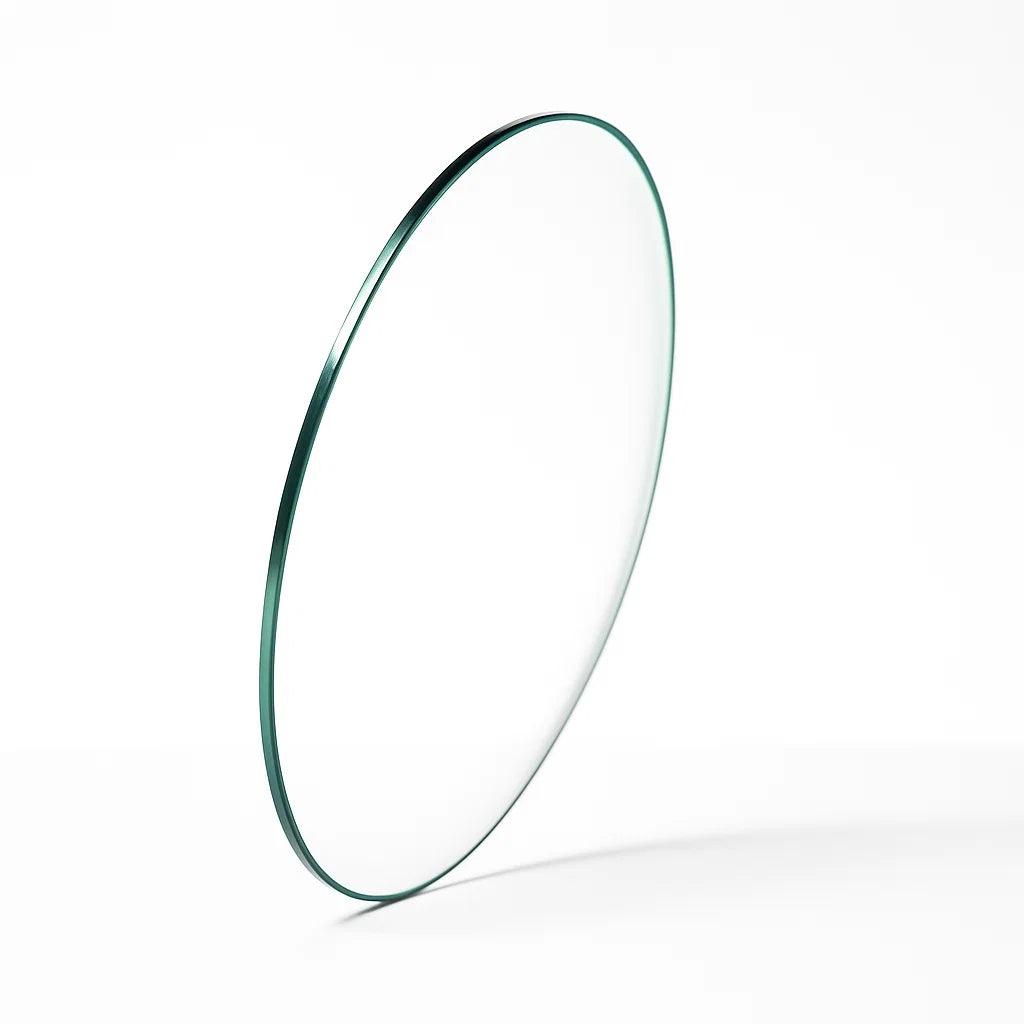
High-index corrective lenses use materials with a higher refractive index, meaning they can bend light efficiently while maintaining the required prescription power. Common options include 1.60, 1.67, and 1.74 index lenses, with higher numbers generally allowing thinner lenses for comparable prescriptions. The final thickness still depends on prescription strength, lens design, frame size, and how the lenses are fitted.
What Are the Benefits of High-Index Lenses?
One major benefit of high-index lenses is their ability to reduce visible lens thickness for many prescriptions. This can create a more streamlined appearance and make certain frame styles easier to wear comfortably. High-index lenses are available with different coatings and designs, allowing customers to consider appearance, everyday use, and prescription requirements together when selecting corrective lenses.
Are There Any Disadvantages to High-Index Lenses?
High-index lenses generally cost more than standard plastic lenses, so the additional expense may not be worthwhile for every prescription. Some high-index materials can also produce more noticeable reflections, making an anti-reflective coating a useful option to discuss with an eyewear professional. The best choice depends on the prescription, preferred frames, budget, and the benefits that matter most to the wearer.
What Are Regular Prescription Lenses?
Regular prescription lenses commonly refer to standard-index plastic lenses, often with a refractive index around 1.50. They are widely used to correct common vision problems and can provide clear, effective vision correction for many people. For customers whose prescriptions do not require especially thin lenses, standard options may offer a practical balance between performance and affordability.
How Do Regular Corrective Lenses Work?
Regular corrective lenses bend incoming light so it focuses appropriately on the retina, helping address refractive errors such as nearsightedness, farsightedness, and astigmatism. Their optical function is based on the prescribed lens power rather than the thickness of the material alone. With the correct prescription and suitable fitting, standard lenses can support clear vision for everyday activities.
What Are the Benefits of Regular Lenses?
Regular lenses are often more affordable than high-index alternatives, making them a sensible option for people managing their eyewear budget. They can work well with many prescriptions and are available in different lens designs and coating options. When lens thickness is not a major concern, choosing regular lenses may allow customers to prioritize other features, including frame style and overall comfort.
What Are the Limitations of Regular Lenses?
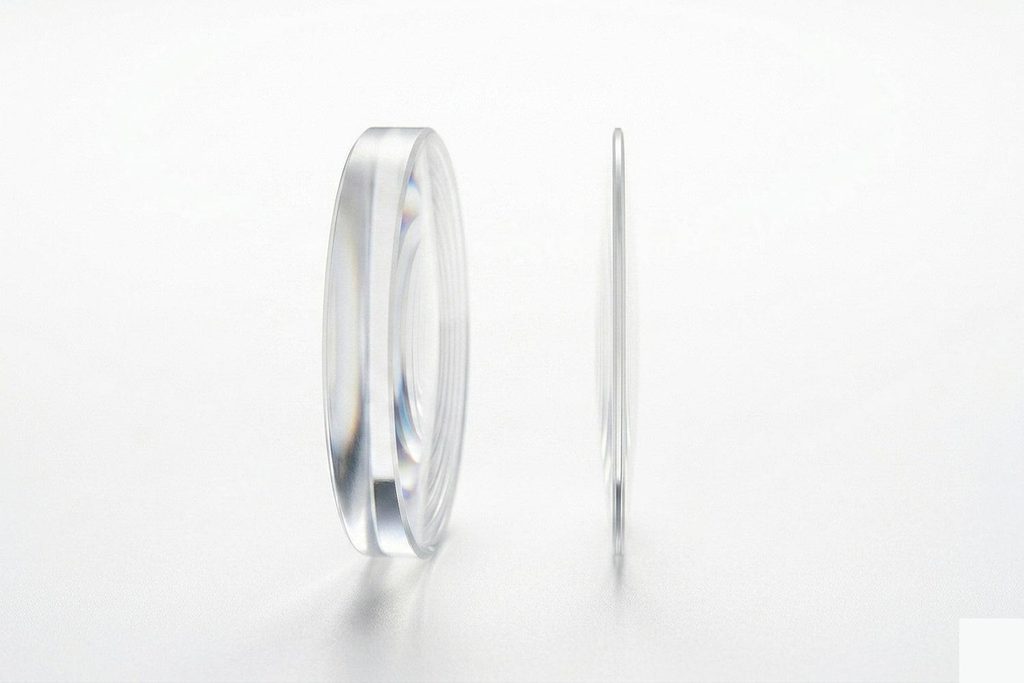
Standard-index lenses can become relatively thick when used with stronger prescriptions, although the amount depends on the type and power of the prescription. Thick edges may be more noticeable in minus lenses, while plus lenses can be thicker toward the center. Frame dimensions and lens design also influence the finished appearance, so regular lenses should be evaluated alongside the frames being considered.
High-Index Lenses vs. Regular Lenses: Key Differences
The main difference between high-index and regular lenses is how efficiently their materials bend light and how that affects lens thickness. Both can provide effective prescription correction when properly made and fitted, but they may produce different results in appearance and price. Comparing the options in relation to your own prescription can help you decide whether thinner lenses offer enough value for your needs.
Lens Thickness and Appearance
High-index lenses are often thinner than standard lenses made for the same prescription, especially when stronger correction is required. This can reduce the visible edge thickness of minus lenses and the central thickness of plus lenses. However, the final appearance also depends on frame size, lens shape, and how the prescription is positioned within the chosen frames.
Weight, Comfort, and Cost
Thinner lenses may improve the appearance and balance of some glasses, but thinner does not automatically mean lighter in every situation. Overall weight depends on lens material, lens size, and frame construction. High-index lenses usually cost more, so consider whether their potential appearance and comfort benefits justify the extra expense compared with regular corrective lenses.
Which Lens Type Is Better for Strong Prescriptions?
High-index lenses are often worth considering for stronger prescriptions because they can reduce lens thickness and create a less bulky appearance. Regular lenses may still be suitable in some circumstances, depending on prescription details and frame choice. An eyewear professional can assess the prescription and recommend an appropriate lens index rather than relying on a single strength threshold.
When Should You Choose High-Index or Regular Lenses?
The right choice depends on your prescription, budget, preferred frame style, and how important lens thickness is to you. High-index lenses may be a good fit when reducing bulk is a priority, while regular lenses can offer excellent value when additional thinning is unnecessary. Considering these factors together can make your corrective-lens decision more practical and personal.
Who Should Consider High-Index Lenses?
People with stronger prescriptions, or those who prefer slim frames, may benefit from considering high-index lenses. They can help reduce visible thickness and may create a more refined appearance in suitable frames. Customers who are concerned about bulky lenses should ask about different index options and compare recommendations based on their individual prescription and frame measurements.
When Are Regular Lenses a Better Choice?
Regular lenses may be appropriate for people with mild prescriptions who do not need additional thinning. They can also suit customers who want to keep eyewear costs manageable while still receiving effective vision correction. If the finished lenses are expected to fit comfortably and look appropriate in the chosen frames, paying extra for a higher index may not provide a meaningful benefit.
How to Choose the Right Corrective Lenses for Your Needs
Selecting corrective lenses involves more than comparing material prices or choosing the thinnest available option. Your prescription, frame dimensions, lifestyle, and preferred appearance all contribute to the final result. Discussing these factors with an eyewear professional can help you compare lens options and choose a solution that supports clear vision and comfortable everyday wear.
Match Your Lenses to Your Eyeglass Frames
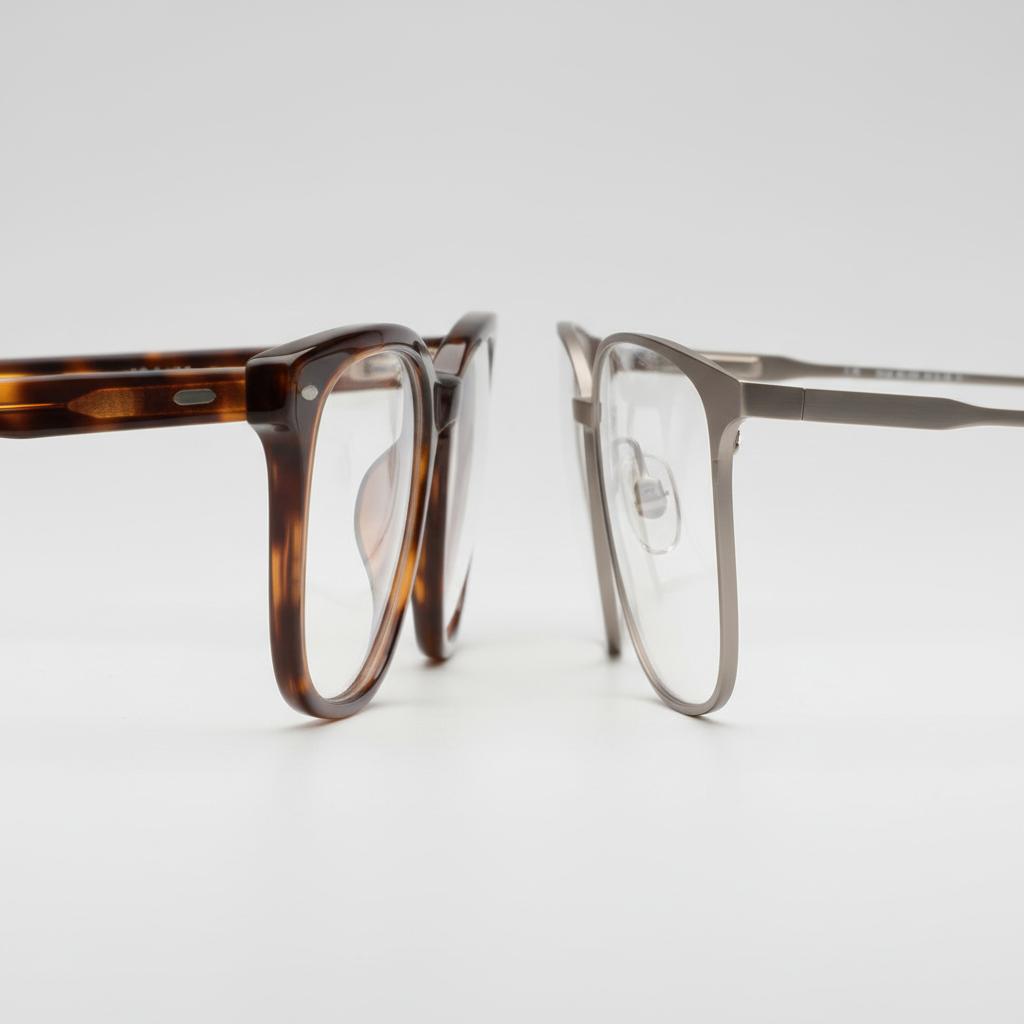
Frame size and shape can influence the thickness and appearance of prescription lenses. Smaller frames may help reduce visible thickness in some prescriptions, while certain frame designs may be better suited to particular lens types. Considering frames and lenses together helps you evaluate the complete pair of glasses rather than making the decision based on lens index alone.
Consider Coatings and Everyday Use
Lens coatings can contribute to the performance and maintenance of your eyewear. An anti-reflective coating may help reduce reflections, while scratch-resistant treatments can help protect lens surfaces during regular use. Available features vary by lens material and product, so discuss which options suit your prescription, daily routine, and budget before choosing your final lenses.
Choose Eyewear With Eye’ll Be There
Eye’ll Be There makes eyewear selection more convenient by bringing frame options and personalized guidance to customers at home in Virginia, Maryland, and Washington, D.C. Trying frames in a familiar environment can help you assess how different styles look and feel with your everyday clothing and routine. This service provides a convenient way to consider your eyewear preferences before finalizing your selection.
Get Personalized Guidance for Your Eyewear Choices
Choosing between high-index and regular corrective lenses can feel easier when you consider your prescription alongside your preferred frames and budget. Eye’ll Be There helps customers explore frame styles through an at-home eyewear experience, with personalized guidance focused on fit and appearance. For assistance with your eyewear needs, visit the Eye’ll Be There contact page to get in touch.
Frequently Asked Questions About High-Index and Regular Lenses
Choosing between lens types often raises questions about cost, thickness, comfort, and compatibility with different prescriptions. The answers below provide a starting point for comparing options, but your individual prescription and frame choice remain important. A qualified eyewear professional can help you determine which lens design is appropriate for your visual needs.
Are High-Index Lenses Better Than Regular Lenses?
Neither option is automatically better for everyone. High-index lenses can be useful when thinner lenses are a priority, while regular lenses may provide a cost-effective solution for many prescriptions. The right choice depends on prescription strength, frame design, budget, and personal preferences.
Are High-Index Lenses Worth the Extra Cost?
They may be worth the additional cost if they noticeably reduce lens thickness or improve the appearance of your chosen frames. For mild prescriptions, the difference may be less significant. Comparing lens options based on your prescription can help you decide whether the added expense makes sense.
Can High-Index Lenses Be Used With Progressive Lenses?
Yes, high-index materials can be available in progressive lens designs, depending on the product and prescription. Progressive lenses correct vision at multiple distances, while high-index describes the material’s refractive properties. An eyewear professional can help determine which combinations are suitable.
Choose Corrective Lenses That Suit Your Lifestyle
High-index and regular lenses can both provide effective vision correction when selected for the right prescription. High-index lenses may offer a thinner appearance for stronger prescriptions, while regular lenses can be a practical and affordable choice for many people. Consider your prescription, frame style, comfort, and budget before deciding. To discuss eyewear options and arrange personalized assistance, contact Eye’ll Be There.